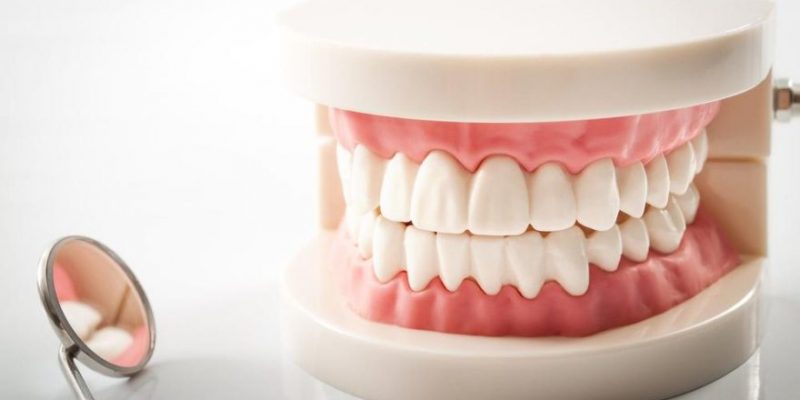
A dental prosthesis is an artificial tooth restoration prepared to replace missing teeth and restore lost chewing function, filling the gaps in the mouth. Alongside appearance, it matters for chewing, speech and the protection of oral health. At our clinic in Nişantaşı, prosthetic treatment is planned individually for each patient according to the structure of the mouth and the pattern of tooth loss.
Types of dental prosthesis
Fixed prostheses (crowns and bridges): Permanently cemented restorations that the patient cannot remove. A crown is used where a single tooth is lost, and a bridge supported by the neighbouring teeth where several teeth are missing. These offer the feel and appearance closest to a natural tooth.
Removable prostheses: Restorations that can be taken in and out. A complete (full) denture is used where all teeth are lost, and a partial denture where some teeth are missing. It is supported by resting on the palate and the gums.
Implant-supported prostheses: A prosthesis in which tooth loss is supported by implants. It holds considerably more securely than a removable denture and is particularly favoured by patients who are unhappy with a lower removable denture.
Palatal denture: A removable prosthesis that rests on the gum in the upper or lower jaw; it can be made as a complete or a partial denture.
How is a dental prosthesis made?
The process begins with an oral examination and taking impressions. The impressions are sent to the laboratory and a bespoke prosthesis is produced. Fit and appearance are checked at the try-in stages; once any adjustments have been made, the prosthesis is fitted. Fixed prostheses may also involve tooth preparation and a temporary restoration.
Caring for your prosthesis
Removable prostheses should be taken out and cleaned daily with a soft brush and maintained with the recommended cleaning solutions. With fixed prostheses, regular brushing and the use of floss or interdental brushes matters just as it does for natural teeth. Regular check-ups extend the life of the prosthesis.