Teeth Whitening

Professional teeth whitening uses a peroxide-based gel to neutralise the organic colour pigments within the enamel and the dentine. Carried out under the supervision of a dentist it does no harm to the tooth; it works not only on the tooth surface but beneath it as well.

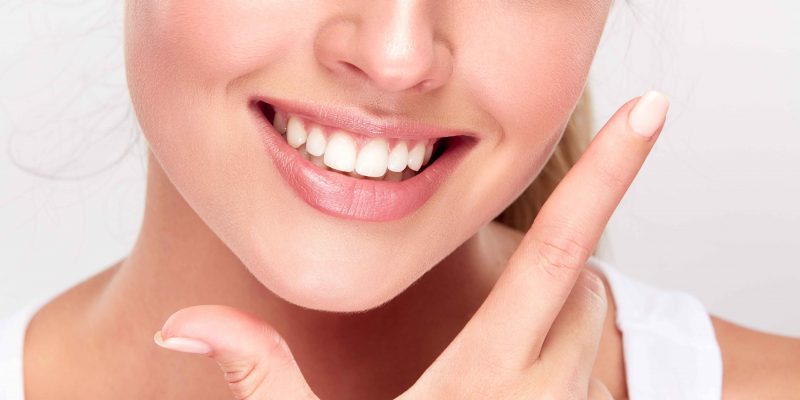
In-clinic professional whitening aims for a natural look. Artificially bright shades are not recommended; a personalised protocol is used for every patient.

In-clinic whitening

A single session of roughly 60 to 90 minutes produces a marked change in shade. After a protective barrier has been placed over the gums, a high-concentration whitening gel is applied and activated with an LED light. An average lightening of four to eight shades can be expected in one session.

Home kit

A gradual protocol carried out at home using custom-made silicone trays and a lower-concentration gel. Under the supervision of a dentist it is worn for a few hours a day over one to two weeks, and may be preferred for patients with sensitivity. A hybrid protocol is often used: starting in the clinic and maintaining the result with a home kit.

The treatment is completed in four steps

1. Consultation and shade guide — the current shade is determined against a guide and the target shade agreed together; gum health and any decay are checked.

2. Preparation (where needed) — a professional clean, and any treatment for decay or the gums, is completed first.

3. In-clinic treatment — a protective barrier is placed over the gums, the gel is applied and activated with an LED light.

4. Maintaining the result — avoiding staining drinks for 48 hours is advised; a maintenance home kit is supplied as an option and an annual top-up can be considered.

The principle of natural whiteness

The extremely bright white teeth you see on social media are usually digitally edited or achieved with porcelain veneers; natural whitening does not reach those shades. Our clinic aims for a natural whiteness suited to your complexion and the structure of your teeth — for the sake of both aesthetic balance and longevity.

Frequently asked questions about teeth whitening

Does whitening damage the teeth?

Professional in-clinic whitening does no harm to the teeth when carried out under the supervision of a dentist. A protective barrier is placed over the gums and the gel is confined to the tooth surface. Temporary sensitivity is an expected side effect and passes within a few days. Whitening is not recommended during pregnancy or breastfeeding, or where there is active decay.

How long does the result last?

The result lasts between one and three years depending on your habits. Smoking and drinking tea, coffee and red wine affect it quickly. A maintenance home kit is supplied as an option and an annual top-up can be considered.

Is in-clinic or a home kit better?

Both are safe methods; neither is better than the other. In-clinic whitening gives a marked result in a single session; a home kit works more gradually under the supervision of a dentist. A hybrid protocol is often preferred.

Will my teeth be as white as in the adverts?

No. The very intense white shades seen in advertising are usually digitally edited or achieved with porcelain veneers. Our clinic aims for the limit of natural tooth whiteness; naturalness, longevity and aesthetic balance are our guiding principles.

Can it be done on sensitive teeth?

Your current level of sensitivity is assessed during the consultation. For mild sensitivity, preparation with a fluoride toothpaste and a gradual protocol using a lower-concentration gel can be used. Where there is significant gum recession or widespread decay, these problems must be treated before whitening.

Book a consultation for teeth whitening

The first consultation is free of charge. The shade guide and your target shade are decided together during the consultation.